
How to turn a 1688 listing into a clear purchase order
Confirm the exact goods, quoted scope and receiving plan before approving your purchase. Keep domestic buying and onward freight decisions clear.
Clear information for your next decision
You have found a promising product on 1688, but the photograph and the lowest displayed price do not yet describe an order you can approve. First identify the exact variant, quantity and packing unit. Then confirm the seller’s offer, payment route, delivery address in China and checks before onward shipment. Treat international transport and destination requirements as separate decisions. This guide shows how to assemble that information without mistaking a domestic quotation for a complete import plan.
If you already have a product link, keep it open while you work through the sections below. If you are still comparing ways of buying from China, start with the purpose of the purchase: a sample, a small stock order or a repeat wholesale order. Those choices change what you need to ask before committing money.

What 1688 is useful for, and what a listing cannot settle
Alibaba Group describes 1688 as a domestic wholesale marketplace in China. That is a useful starting point for understanding its offers: a supplier’s domestic sale is one part of your purchasing route. It does not, by itself, settle who arranges export preparation, international freight, import clearance or delivery at the final destination. See the official Alibaba Group description of 1688.
Begin with the product and the work you can realistically manage. A standard unbranded item with a stable specification presents different questions from a customised product, a regulated item or something sold under another party’s brand. The page is useful for finding an offer, but it is not evidence that the item meets your destination’s requirements or that you have permission to use somebody else’s intellectual property.
Consider another route when the supplier cannot explain the product, will not confirm the selected option, or cannot provide the records your purchase needs. A low price does not compensate for an unresolved specification. For a broader platform comparison, use the China buying guides, the Alibaba purchasing guide and the Taobao buying guide. Keep the comparison tied to your order rather than assuming one platform always wins.
Turn the product page into a specification someone else can follow
Save the listing URL, seller name and date of review. Record the option you selected, including its original wording where translation could be ambiguous. A screenshot can help explain your choice, but accompany it with text that identifies material, dimensions, colour, function and packaging. A second person should be able to reconstruct the intended order from those records without guessing which photograph you meant.
Separate a seller’s option code from your own stock code. A seller might use a colour name for several sizes, or show a set in the main photograph while pricing an individual component. Give every order line a short reference of your own, then map it to the specific seller option. This is especially useful when several products share similar names or when more than one seller supplies the same assortment.
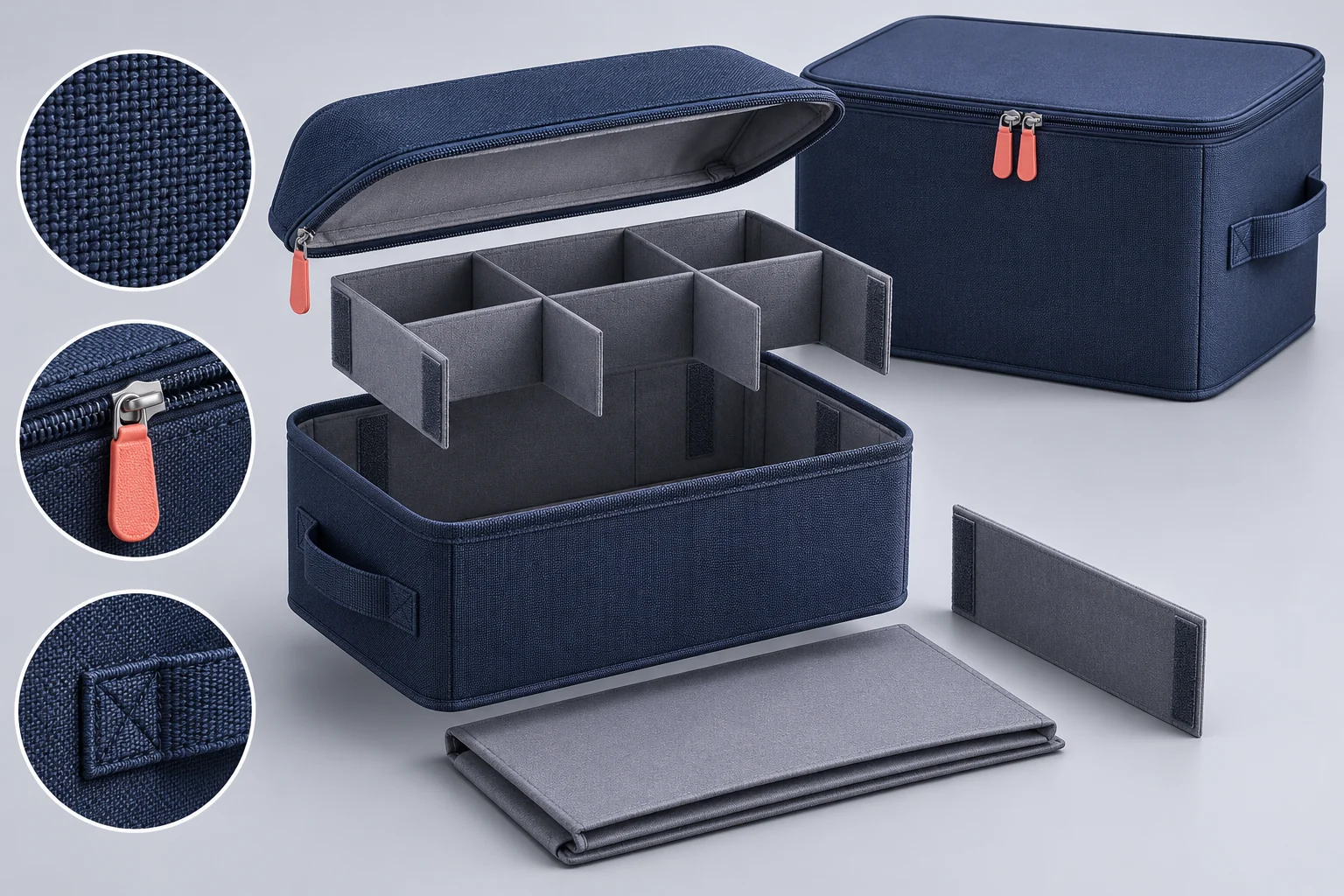
Write the unit explicitly. “One” could mean one piece, one pair, one set or one carton. Ask how many saleable units are inside the quoted pack and how many packs are inside an outer carton. Confirm whether accessories shown in photographs are included. If a container is pictured with a lid, for example, the specification should state whether the lid belongs to the quoted unit.
Use measurements that can actually be checked. “Good quality” gives a receiving team little to work with. “The lid closes without visible gaps, the stated dimensions match the approved drawing, and the selected colour matches the approved reference” creates observable questions. For technical or regulated products, agree a suitable technical review separately; a photograph and a general receiving check are insufficient.
Check quantity breaks without buying unwanted stock
Ask whether the minimum order applies to the whole purchase, each design, each colour or each size. Confirm which price applies to your actual mix. Do not assume that the total quantity across several options qualifies for the lowest tier. If the seller accepts mixed options, record the agreed distribution and any different prices before payment.
A larger quantity can reduce the quoted unit price while increasing cash tied up, storage needs and exposure to unsold stock. Compare the entire purchase decision. An additional carton is worthwhile only if its expected use justifies the extra purchase, handling and transport. The separate MOQ negotiation guide explains that negotiation in more depth; here, your task is to obtain an unambiguous quantity and price for this listing.
Review the seller’s role, then decide what the sample must prove
Ask who is selling the goods and who will fulfil the order. A shop may manufacture some items and source others. A factory image does not establish manufacturing responsibility for every listing. Request the business identity relevant to the transaction and check that the quotation, order and payment instructions make sense together. Resolve a different company name or beneficiary before approving payment.
Match your investigation to the risk. A first purchase, a large commitment or a customised item calls for more evidence than an established repeat order with unchanged specifications. The supplier and factory verification service page explains the separate review route. Ask for its actual scope; a purchasing conversation is not automatically a factory audit or a guarantee of future performance.
Choose a sample for a reason. You might need to check fit, finish, material, dimensions or packing. State which points can be judged from the sample and which require another method. Keep the sample reference, photographs and your comments together. If you approve a revised sample, identify which version supersedes the earlier one so the supplier and checking team use the same reference.
Clarify whether the sample is from available stock, specially prepared or made using a proposed production process. One attractive sample does not establish that every unit in a later batch will match. Before a bulk order, agree how the sample relates to the written specification and how differences will be handled. The product sample guide covers the detailed approval process.

Compare quotations that cover the same work
Request a quotation by order line, with quantity, unit, variant and packing stated together. Ask how long the offer remains valid and which items remain estimates. A useful comparison distinguishes the goods price from the work required to purchase and move them. Otherwise, two quotations can appear comparable while leaving different parts of the route unpaid.
| Part of the order | What to clarify |
|---|---|
| Goods | Exact options, quantities, unit prices and inclusions |
| Domestic delivery | Receiving address, dispatch basis and separate charge |
| Purchasing and payment | Responsible party, service scope, conversion basis and applicable charges |
| Checking and packing | Tasks, reporting, materials and approval requirements |
| Onward transport | Packed measurements, route assumptions and excluded destination work |
Keep currencies and conversion assumptions visible. If two offers use different currencies, compare them using a clearly dated conversion basis and record any separate payment costs. Do not treat an indicative conversion as the amount that will actually be charged. Ask when the final payable amount is confirmed and what happens if the underlying quotation changes before the purchase is placed.
For freight planning, obtain packed dimensions, gross weight and the number of cartons. Product dimensions alone do not describe the shipment. Retail packaging, protective material and outer cartons can change the transport calculation. Ask which measurements are provisional and require a final packed readback before authorising the onward route. Avoid a fixed delivery promise while those inputs remain unknown.

Agree the purchasing route before making a payment
Decide who will hold the buying account, place the order, approve changes and receive supplier messages. If another party buys on your behalf, agree what purchasing records you will receive and who can raise an after-sales request. Those responsibilities matter when a supplier proposes a substitution, a partial dispatch or a different quantity after the initial quotation.
Payment availability must be checked for the actual account, country and order. WorldFirst’s regional help documentation describes several 1688 payment products with different setup requirements. It does not prove that a particular reader is eligible. Check the current provider terms and the options actually available to your account; do not borrow another person’s identity or follow instructions to bypass verification. See the provider’s explanation of its distinct payment options.
If you need purchasing coordination, review the China purchasing and payment service and request the scope for your own order. Agree who receives funds, which supplier order is being paid and how a refund would be recorded. An unexpected change of beneficiary or payment route should pause the purchase until independently clarified through an established contact channel.
Before release, keep one approved version of the order: selected variants, quantities, prices, packing, delivery address and agreed checks. Record who approved it. If the supplier later changes a material, option or shipment arrangement, obtain a revised confirmation. A message saying “similar item is fine” can create a much wider permission than the buyer intended.
Plan receiving in China before the supplier dispatches
Provide the correct receiving contact, address and order reference, and tell the receiving party what is expected. A parcel without a usable reference can be difficult to match to the buyer, seller or selected variant. Ask the supplier to supply tracking details and a packing list that connects each carton to the order lines. Keep domestic deliveries from different suppliers distinguishable.
Define receiving tasks precisely. Counting outer cartons, checking visible damage, counting pieces and testing product function are different jobs. Specify which ones are required and how the findings should be reported. A delivery signature records receipt; it is not a substitute for an agreed product inspection. Use the quality inspection page to discuss checks that go beyond ordinary receiving.
If something does not match, separate the affected quantity and document the difference before repacking obscures the evidence. Keep order references, carton labels, photographs and the count used in the report. Ask for instructions on whether to hold, replace, return or release the goods. Do not silently substitute another colour or use a shortage in one line to offset an excess in another.
Set the reporting and decision sequence before the first parcel arrives. Who receives the exception report? Who contacts the seller? Who may approve a replacement? Who pays any additional domestic movement? When those responsibilities are unclear, a small discrepancy can remain unresolved while the rest of the shipment is ready to leave.
Consolidation needs an approved release list
When several suppliers feed one shipment, wait for an agreed list of accepted goods rather than simply combining every parcel that arrives. Record which order lines are complete, which remain short and which are on hold. Confirm whether to wait for a missing item or ship the accepted portion separately. That choice affects handling, packing and the remaining purchasing work.
The consolidation and warehousing page is the relevant service destination. Request the specific receiving, storage and packing scope for your goods. If you later replenish Shopify or TikTok Shop inventory, continue with the existing shared inventory guide; accepted purchasing quantities and quantities available for sale are separate records.

Read after-sales conditions for the actual order
Before paying, identify the protections shown on the particular order and save the applicable conditions. The official buyer-protection agreement describes different labelled services and evidence requirements. This is a reason to check the actual transaction, rather than assume every purchase carries the same return, quality or late-dispatch remedy. See the 1688 buyer-protection agreement.
Ask who monitors the order’s current after-sales deadlines and who can submit evidence. Arrange receiving checks early enough to make an informed decision. Do not assume that arrival at your overseas destination resets a domestic order’s timetable. Keep packing and labels when a discrepancy needs investigation, and obtain confirmed return instructions before sending goods to a different address.
A negotiated replacement, a platform claim and a commercial refund are different processes. Record what has actually been agreed, which items it covers and what remains unresolved. Avoid releasing disputed goods merely because the supplier says a credit will follow. The decision should connect to written evidence and the buyer’s explicit approval.
An educational example: compare usable quantities, not photographs
Imagine a buyer considering 240 unbranded desk trays in two sizes. This is a fictional planning exercise, not a client result or a current quotation. The listing’s main photograph shows both sizes together. Before ordering, the buyer discovers that the quoted unit is one tray, while the desired retail presentation is a two-tray set. The intended purchase therefore needs a revised quantity calculation.
The buyer creates separate lines for the small and large trays, confirms the material and asks whether each size has its own minimum. The sample review checks whether the trays stack as intended. The receiving instruction then asks for counts by size, visible-damage photographs and confirmation that the selected packaging is present. None of those tasks is replaced by a photograph of a closed carton.
Suppose the receiving report later shows that one size is short and several units are damaged. The buyer holds the affected quantity and requests a written remedy. The accepted portion remains identifiable. Before consolidation, the buyer decides whether waiting for replacements is worthwhile and asks for updated packed measurements. This sequence produces a purchase decision that can be explained, even though no universal price or transit time has been assumed.
Questions buyers commonly ask
Is buying directly always cheaper than using purchasing support?
Compare the work you can perform yourself with the actual service quotation. Include communication, payment, receiving, checking and exception handling. A lower goods price or a lower service charge alone does not describe the same scope.
Can I approve an order from the listing screenshot?
Use the screenshot as a reference, then confirm the selected variant, unit, quantity and inclusions in writing. The main image may show an assortment that differs from the priced option.
Does a successful sample remove the need for a bulk-order check?
The sample answers defined questions about that sample. Decide separately which checks the bulk order needs and how the approved reference will be used. Match the method to the product and its risks.
What should I send for an initial order review?
Send the product link, selected options, quantities, destination country and city, and any required documents or packing conditions. State whether you need a sample, purchasing only, receiving checks or onward shipment planning. You can use the order review form to describe that scope.
A practical decision before you proceed
For a repeat order, compare the new confirmation with the last approved purchase rather than sending only “same again.” Check whether the listing option, pack quantity, material, price or receiving address has changed. Keep the earlier sample reference where it still applies, and identify any replacement reference explicitly. This creates a small change review instead of forcing the receiving team to infer which parts of the old order remain valid.
For a first order, ask the person handling the purchase to read the brief back to you in their own words. A different understanding of the selling unit or colour mix is easier to resolve at that stage than after payment. Record the agreed version and leave unresolved items visible; a blank field should not be mistaken for permission to choose on your behalf.
Approve the purchase when another person can identify the intended goods, reconstruct the quotation and understand who is responsible at each handover. If a variant, payment instruction or receiving task remains ambiguous, resolve that point first. A clear order brief is more useful than a folder of promising listings.
Ready to review your own order?
Share the product link or photo, quantity, destination country and city. Tell us which stage you need help with.
Request an initial review